
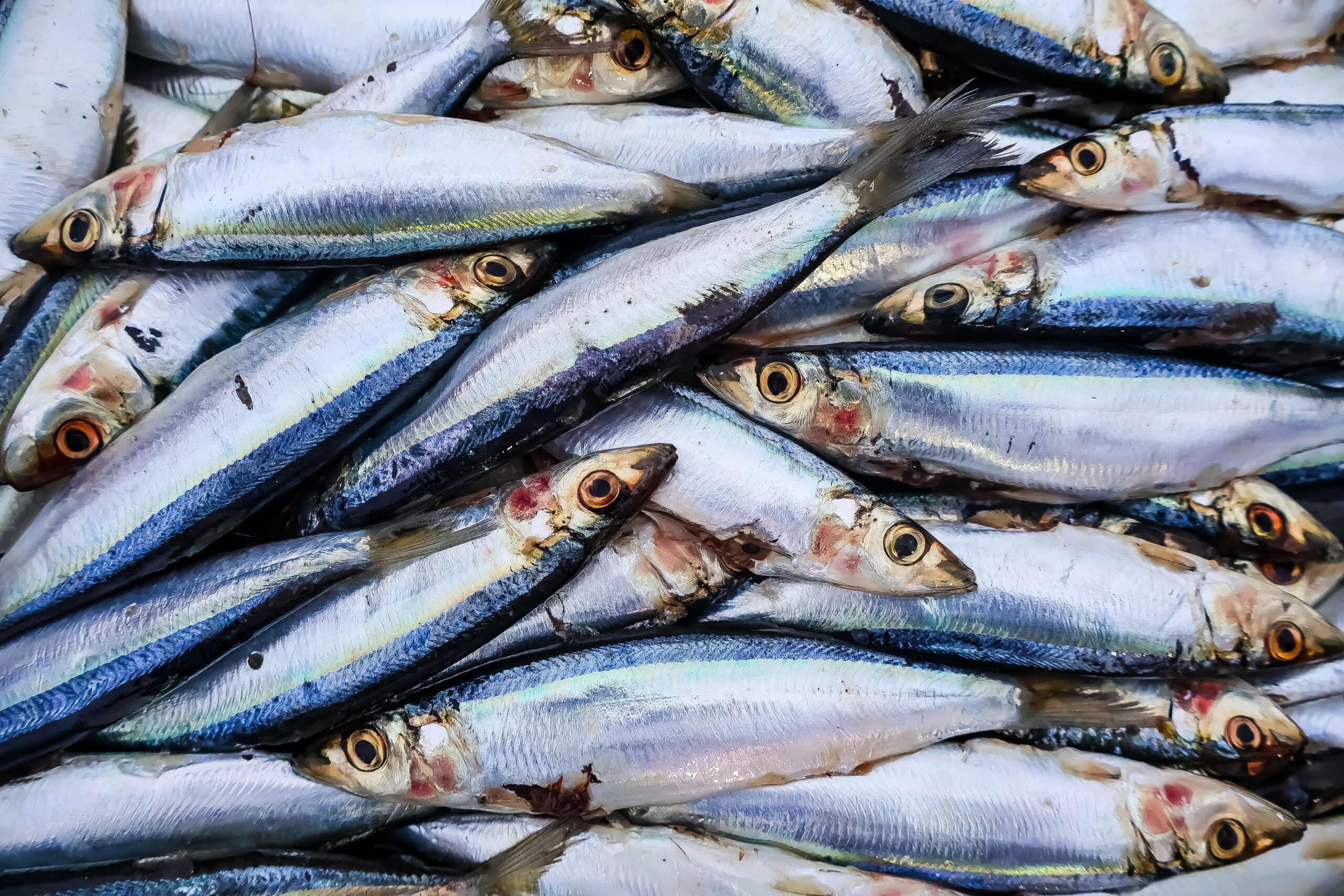
The Department of Forestry, Fisheries and the Environment (DFFE) says it has received no new reports of dead or dying sardines.
This since an isolated wash-up near Mbotyi, Eastern Cape on 10 September.
This suggests that the acute phase of the mortality event may have come to an end.
Monitoring and reporting measures remain in place as authorities cannot yet rule out further incidents.
Coastal authorities, fishers and members of the public are urged to continue reporting any sightings of dead sardines.
Fishers near Saldanha Bay, Western Cape, made the first report of dead sardines on 1 August.
The South African Institute for Aquatic Biodiversity confirmed the presence of pilchard herpesvirus (PHV) in a sardine sample collected at Port St Johns, extending confirmed cases on the northern Wild Coast.
Key findings so far:
- Laboratory and epidemiological tests continue to improve understanding of the cause of the deaths.
- Researching the distribution and possible origin of the virus
- Investigating possible contributions of oceanographic or other environmental conditions.
- PHV remains the leading biological factor.
Scientists Probe Virus
While the virus remains the leading biological factor linked to the die-off, scientists continue to question how and when it emerged.
Preparations are underway for an end-of-year hydroacoustic survey that will provide an estimate of sardine biomass and distribution following the event.
Environmental authorities are at the same time monitoring possible impacts on marine predators and other parts of the coastal ecosystem.
DFFE has reassured the public that PHV is a fish virus and is not known to infect humans.
Commercial sardine products sold through regulated channels remain safe to consume.
People are advised not to collect or eat dead or dying sardines found on beaches or near the shoreline, and not to use them as bait or animal feed.